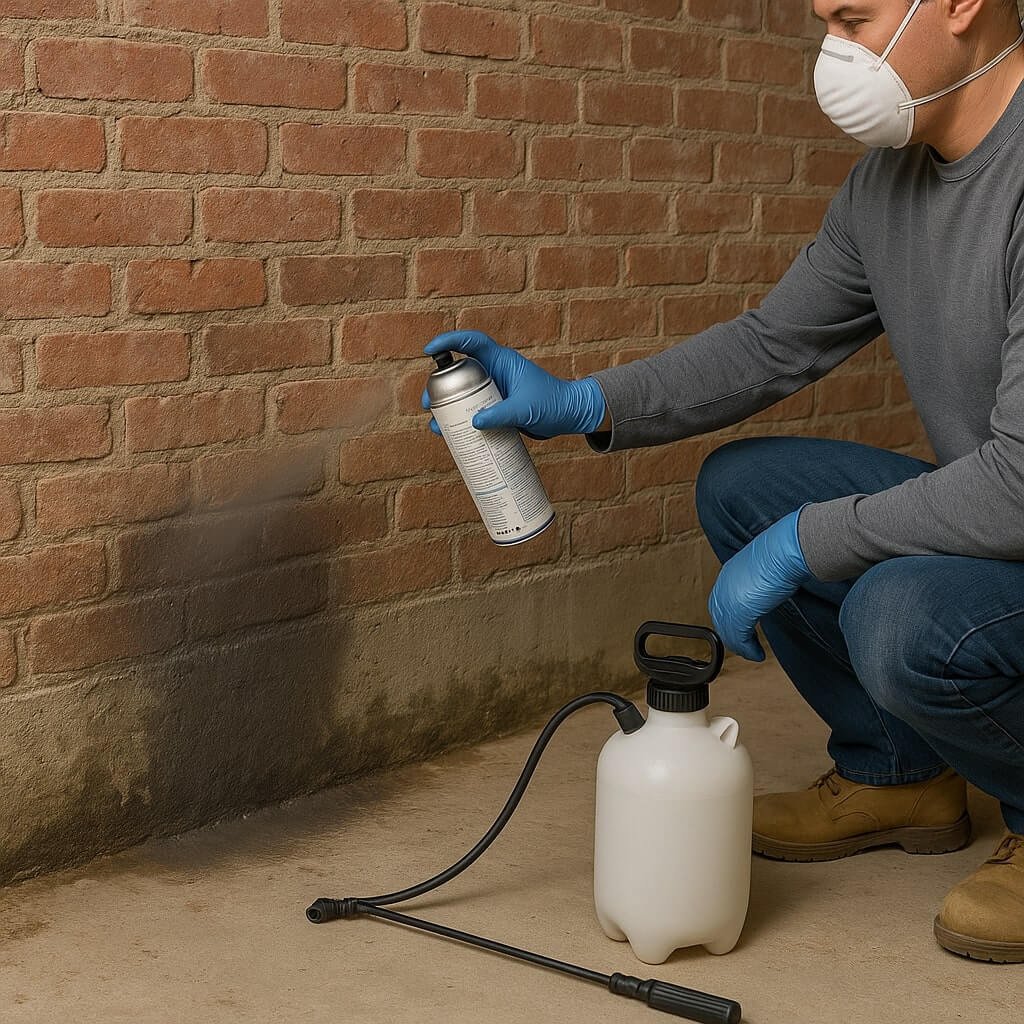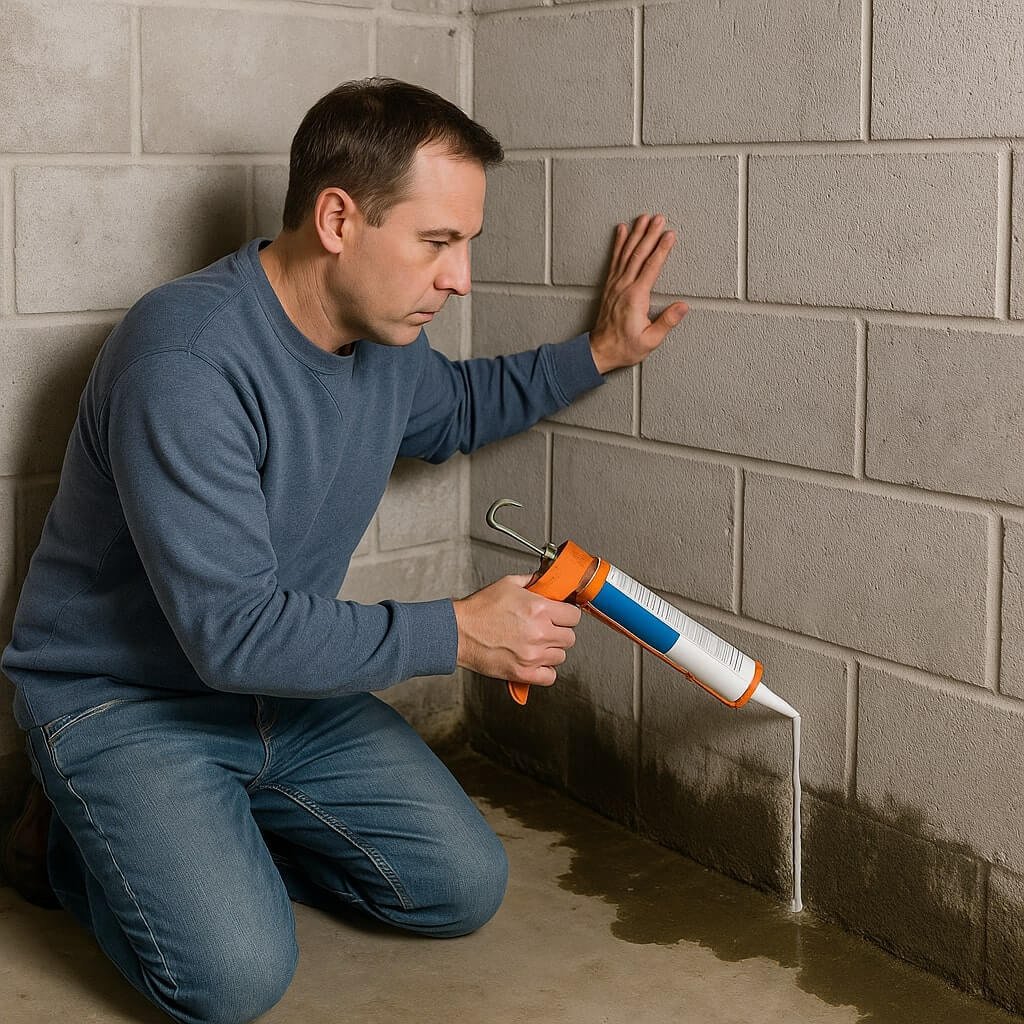

When it comes to homeowners insurance, understanding your coverage for basement waterproofing is essential. You need to assess your policy for specific clauses on water damage and basement protection. Many policies have exclusions that could leave you vulnerable, especially regarding mold or sewer backups. But how do you navigate these complexities to guarantee your home is fully protected? Let’s explore the key aspects that can influence your coverage options.
Key Takeaways
- Review your homeowners insurance policy to identify specific coverage for water damage and basement waterproofing.
- Check for common exclusions related to water damage, such as flood and sewer backup coverage.
- Assess policy limits to ensure they adequately cover potential costs associated with water damage and repairs.
- Consider endorsements or riders that offer additional protection for basement waterproofing and water-related issues.
- Analyze your claim history for past water damage claims that may affect current coverage options.
Understanding Homeowners Insurance Basics
When you’re a homeowner, understanding the basics of homeowners insurance is essential, especially if you’re considering basement waterproofing.
Grasping home insurance fundamentals helps you determine the right coverage for your needs. There are several policy types, including HO-1, HO-2, and HO-3, each offering varying levels of protection.
An HO-3 policy, for instance, typically covers your home and personal belongings against many risks, while others may have more limited coverage.
Knowing these distinctions allows you to tailor your insurance to safeguard against water damage effectively, ensuring peace of mind as you invest in basement waterproofing solutions.
Common Coverage Exclusions Related to Water Damage
Understanding homeowners insurance fundamentals lays the groundwork for recognizing common coverage exclusions related to water damage. Many policies don’t cover flooding, so you might need separate flood insurance. Additionally, mold coverage is often limited or excluded entirely, especially if mold results from neglect.
Here’s a quick overview of typical exclusions:
| Coverage Type | Exclusion Description |
|---|---|
| Flood Insurance | Not included in standard policies |
| Mold Coverage | Often limited or excluded altogether |
| Maintenance Issues | Damage from lack of upkeep |
| Sewer Backup | Typically requires additional coverage |
Knowing these exclusions helps you make informed decisions.
Evaluating Your Current Homeowners Insurance Policy

When evaluating your current homeowners insurance policy, it’s essential to assess the specific coverage it offers for water damage and basement waterproofing.
Examine any exclusions or limitations that may affect your protection, as these can greatly impact your financial responsibility in the event of a claim.
Understanding these details will help you make informed decisions about necessary adjustments or additional coverage.
Policy Coverage Assessment
How well does your current homeowners insurance policy protect against basement water damage? To assess your coverage, review the following aspects:
- Policy limits: Are they sufficient to cover potential water damage costs?
- Coverage types: Does your policy include specific provisions for basement waterproofing?
- Claim history: Have you previously filed claims related to water damage, affecting your coverage options?
Understanding these factors helps you determine if your policy adequately safeguards your home.
If you find gaps, consider discussing adjustments or enhancements with your insurer to guarantee your basement remains protected against water intrusion effectively.
Exclusions and Limitations Analysis
While you may have an extensive homeowners insurance policy, it’s essential to examine the exclusions and limitations that could leave your basement vulnerable to water damage.
Many policies contain exclusion clauses that specifically state what isn’t covered, such as flooding or sewer backups. It’s vital to identify these limitations factors to understand your risks fully.
Review your policy for any specific language regarding basement waterproofing and related damages. Knowing these exclusions can help you make informed decisions about additional coverage or necessary waterproofing measures to protect your home effectively.
Don’t leave your basement’s safety to chance; be proactive.
The Importance of Basement Waterproofing
Although you mightn’t realize it, basement waterproofing plays an essential role in protecting your home from potential water damage and structural issues.
Managing basement moisture can save you from costly repairs and health hazards. Here are some waterproofing benefits to contemplate:
- Prevents mold growth, enhancing indoor air quality
- Preserves your home’s foundation, ensuring longevity
- Increases property value, appealing to future buyers
Additional Endorsements and Riders for Enhanced Protection
When considering your homeowners insurance, adding endorsements and riders can greatly enhance your protection, especially for basement waterproofing.
Different types of endorsements address specific risks, while riders can expand coverage beyond standard policy limits.
Understanding these options is essential to ensuring that you’re fully protected against potential water damage and related issues.
Types of Endorsements
Homeowners often overlook the importance of endorsements in their insurance policies, but these additional provisions can greatly enhance your coverage.
Understanding the types of endorsements available is vital, especially when it comes to protecting your basement.
- Flood Insurance Endorsement: Provides coverage for water damage beyond standard policy limits.
- Sewer Backup Endorsement: Covers damages caused by sewer backups, often excluded from basic policies.
- Equipment Breakdown Endorsement: Protects against the failure of mechanical systems related to waterproofing.
Evaluating these endorsements can help you guarantee extensive coverage tailored to your specific needs, especially in moisture-prone areas.
Importance of Riders
Understanding the importance of riders in your homeowners insurance can greatly enhance your overall protection, especially for areas like basements that are vulnerable to water damage.
Rider options can provide additional coverage that standard policies may not include, such as protection against sump pump failures or specific water damage incidents. By evaluating these options, you’ll be able to set appropriate coverage limits that reflect your unique needs.
Additionally, riders can help you avoid potential out-of-pocket expenses during emergencies, ensuring that your investment in basement waterproofing is fully protected.
Prioritizing riders will ultimately give you peace of mind in safeguarding your home.
Steps to Take If You Experience Water Damage
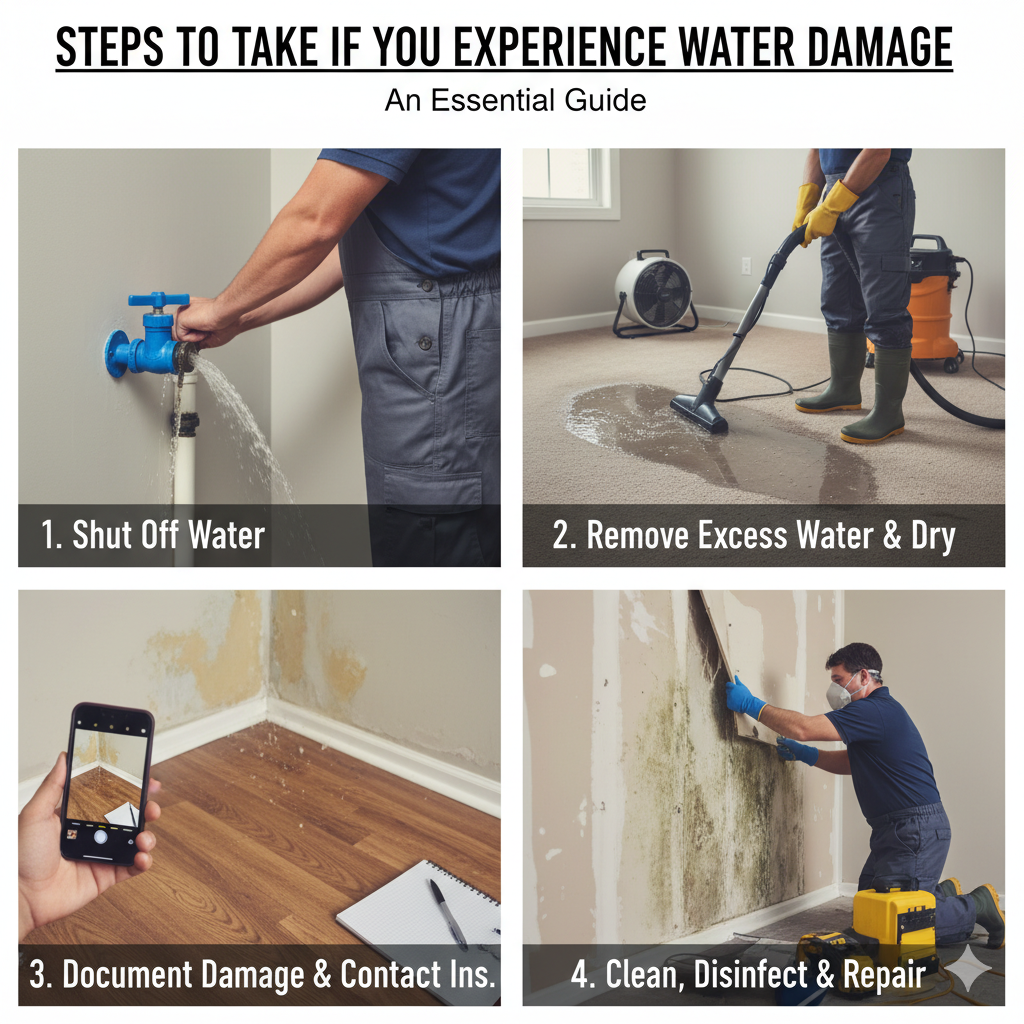
If you discover water damage in your home, it’s crucial to act quickly to minimize the impact and prevent further complications.
Follow these steps:
- Document the damage thoroughly with photos or videos.
- Contact your insurance provider to initiate the claim process.
- Engage a professional water damage restoration service.
Taking these actions not only helps in evaluating the extent of the water damage but also expedites your claim process.
Taking prompt action aids in assessing water damage and accelerates your insurance claim process.
Providing detailed documentation can greatly improve your chances of receiving coverage for repairs.
Conclusion
In summary, understanding your homeowners insurance coverage for basement waterproofing is essential for protecting your home from moisture damage. By carefully reviewing your policy, noting exclusions, and considering additional endorsements, you can enhance your coverage. Don’t hesitate to consult your insurer for tailored options that suit your needs. Taking these proactive steps can save you from financial strain and guarantee your basement remains a safe, dry space for years to come.