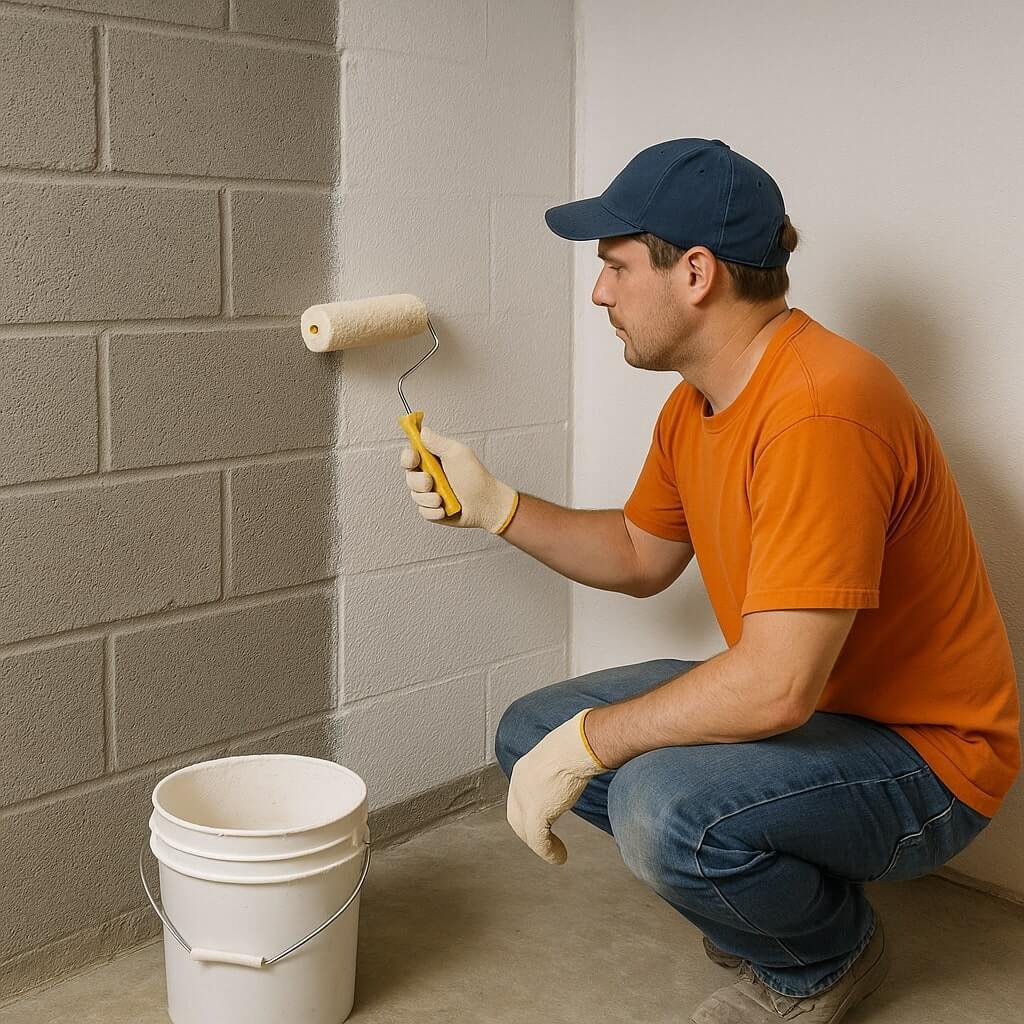

If you’re looking to keep your basement dry and free from water damage, understanding the right products is essential. From sealants that provide flexible protection to sump pumps that prevent flooding, each component plays an important role in your basement’s waterproofing strategy. You’ll also want to take into account drainage systems that redirect water effectively. Let’s explore these key products and how they can transform your basement into a safe, dry space.
Key Takeaways
- Liquid rubber sealants provide a flexible waterproof barrier for various surfaces, ideal for basement walls and floors.
- Interior French drains effectively manage water intrusion by redirecting moisture away from foundation walls.
- Sump pumps are crucial for preventing basement flooding, especially during heavy rainfall, ensuring water is efficiently removed.
- Dehumidifiers maintain optimal humidity levels (30-50%) to prevent mold growth and must be appropriately sized for the basement area.
- Exterior drainage systems, like French drains and proper grading, protect foundations by redirecting water away from the home.
Waterproofing Sealants
When it comes to protecting your basement from moisture, waterproofing sealants play an essential role in keeping your space dry and safe.
You’ll find various sealant types, such as liquid rubber, epoxy, and acrylic, each designed for different surfaces and conditions. Assess your basement’s specific needs before choosing a sealant.
Proper application techniques, like cleaning the surface, applying in dry conditions, and using a brush or roller, guarantee maximum effectiveness. Always follow the manufacturer’s instructions for best results.
Exterior Drainage Systems

When it comes to protecting your basement from water damage, exterior drainage systems play an essential role.
Installing a French drain can effectively redirect water away from your foundation, while proper grading and landscaping can prevent water from pooling near your home.
Understanding these solutions will help you create a more resilient barrier against moisture intrusion.
French Drain Systems
French drain systems serve as an effective solution for managing excess water around your home’s foundation, especially during heavy rainfall. These systems consist of a perforated pipe buried in a gravel-filled trench, allowing for efficient water diversion away from your property. Installing a french drain can prevent costly water damage and maintain a dry basement.
| Component | Purpose | Benefits |
|---|---|---|
| Perforated Pipe | Collects water | Directs water away from foundation |
| Gravel | Filters water | Prevents clogging |
| Outlet | Discharges water | Reduces flooding risk |
| Trench | Houses the pipe | Facilitates drainage |
| Landscape Fabric | Separates soil from gravel | Enhances drainage efficiency |
Grading and Landscape Solutions
To effectively manage water around your property, grading and landscape solutions play a significant role in exterior drainage systems. Proper landscape grading directs water away from your foundation, minimizing the risk of flooding and basement issues.
You should create a gentle slope away from your home, ideally a 2% grade, to guarantee effective drainage. Additionally, incorporating plants and mulch can help prevent soil erosion, enhancing your landscape’s beauty while protecting your property.
Strategically placed swales or rain gardens can also capture excess runoff, further safeguarding your basement. By investing time in these solutions, you’ll promote a healthier, drier environment.
Interior French Drains
Interior French drains are vital for managing water intrusion in your basement by redirecting moisture away from foundation walls.
When considering installation, you’ll want to understand the layout and materials needed for effective drainage.
Regular maintenance is also important to guarantee your system remains free of debris and functions effectively.
Function of French Drains
When water seeps into your basement, it can lead to significant damage and mold growth, but installing an interior French drain can effectively manage this problem.
These systems redirect water away, improving your basement’s drainage capacity by addressing specific issues related to soil composition. Here’s how they function:
- Collect Water: French drains gather water pooling near your foundation.
- Channel Flow: They channel water to a sump pump or drainage area, preventing overflow.
- Protect Structure: By managing excess moisture, they protect your basement from structural damage and mold growth.
Investing in a French drain is a smart move for long-term protection.
Installation Process Overview
Although installing an interior French drain may seem intimidating, breaking the process down into manageable steps can make it straightforward. Start with project planning: assess your basement’s layout and identify water entry points. Then, choose appropriate installation techniques.
Here’s a quick overview:
| Step | Description | Tools Needed |
|---|---|---|
| Dig a Trench | Excavate along the perimeter | Shovel, pickaxe |
| Lay Pipe | Position drain pipe correctly | Level, measuring tape |
| Cover with Gravel | Fill trench with gravel | Wheelbarrow, rake |
Maintenance and Care Tips
Proper maintenance of your French drain is essential to guarantee it functions effectively and prevents water damage in your basement.
By following these tips, you can promote mold prevention and moisture control:
- Regular Inspections: Check the drain for debris, clogs, or damage at least twice a year. Remove any leaves or dirt that may obstruct water flow.
- Clean the Drain: Use a wet/dry vacuum to clear out sediment and buildup, helping to maintain peak performance.
- Monitor Moisture Levels: Use a hygrometer to keep an eye on basement humidity, ensuring it stays below 60% to prevent mold growth.
Sump Pumps
Sump pumps are vital for protecting your basement from water damage, especially during heavy rain or melting snow.
There are various sump pump types, including pedestal and submersible pumps, each suited for different needs. When choosing a pump, consider your basement’s size and water level.
Proper sump pump installation is important; guarantee it’s placed in a sump pit at the lowest point of your basement. Don’t forget to check the discharge line to avoid water backflow.
Regular maintenance, like testing the pump and cleaning the pit, will keep your system running efficiently, safeguarding your home from potential flooding.
Dehumidifiers
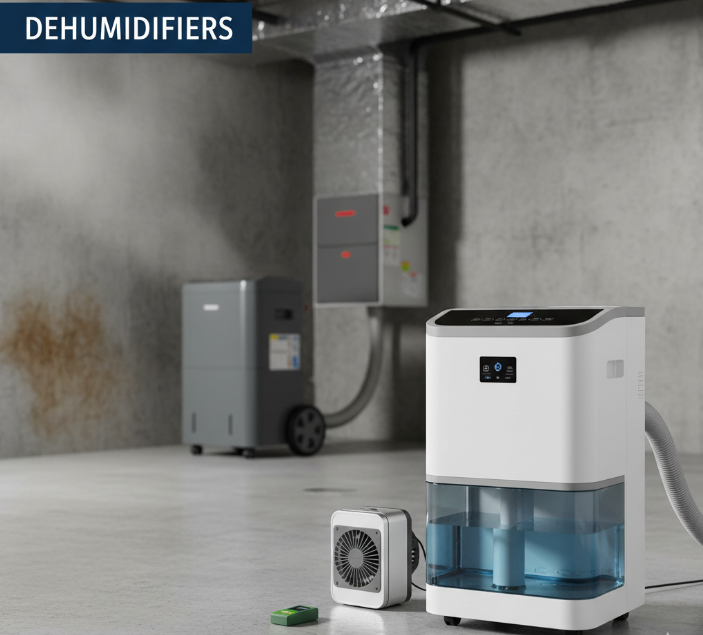
Dehumidifiers play an essential role in maintaining a dry and healthy basement environment. They help with moisture control, reducing humidity levels that can lead to mold and musty odors.
To maximize their effectiveness, consider these key factors:
- Size: Choose a dehumidifier that suits your basement’s square footage.
- Humidity Level: Set the desired humidity level for ideal indoor air quality, typically between 30-50%.
- Drainage Options: Opt for models with continuous drainage features for hassle-free operation.
Investing in a quality dehumidifier guarantees a comfortable, healthier basement space for you and your family.
Waterproofing Membranes
To keep your basement truly dry, waterproofing membranes are an effective solution that acts as a barrier against water intrusion.
Several membrane types, including sheet and liquid-applied membranes, cater to different needs and situations. Sheet membranes are typically easier to install and provide consistent coverage, while liquid-applied options offer flexibility for complex surfaces.
Understanding the right installation techniques is vital; guarantee surfaces are clean, and properly prepare the area for ideal adhesion.
Basement Wall Insulation
Effective basement wall insulation is essential for maintaining a comfortable and energy-efficient home. Proper insulation helps combat basement moisture, preventing mold growth and structural damage.
Here are three popular insulation types you should consider:
- Foam Board Insulation: Rigid panels provide excellent thermal resistance and moisture protection.
- Spray Foam Insulation: Expands to fill gaps, offering superior air sealing and insulation.
- Mineral Wool Insulation: Fire-resistant and absorbs moisture, making it a great choice for basements.
Choosing the right insulation type not only enhances your home’s energy efficiency but also protects against potential damage caused by excess moisture.
Conclusion
Incorporating these seven essential waterproofing products will transform your basement into a dry, safe space. By using sealants, drainage systems, and sump pumps, you’ll effectively manage water intrusion and prevent damage. Don’t forget about dehumidifiers and insulation to maintain ideal conditions. With these tools in hand, you’re not just protecting your investment; you’re also creating a healthier environment for your family. Start your waterproofing journey today and enjoy peace of mind in your basement!