When it comes to waterproofing your fieldstone basement, understanding the unique challenges posed by the porous nature of stone is essential. You’ll need to focus on sealing cracks and enhancing drainage to prevent moisture intrusion effectively. Implementing the right strategies not only protects your foundation but also creates a healthier environment. However, knowing where to start can be overwhelming, especially with so many options available. Let’s explore the most effective methods to safeguard your basement.
Key Takeaways
- Apply high-quality sealants like elastomeric or epoxy to fill cracks and gaps, ensuring a watertight barrier on fieldstone walls.
- Enhance drainage systems by installing gutters, downspouts, and French drains to redirect water away from the foundation.
- Regularly inspect and maintain drainage systems and waterproofing measures to prevent moisture intrusion and ensure effectiveness.
- Monitor landscaping to ensure proper grading directs water away from the home, minimizing the risk of water pooling near the foundation.
- Consult with waterproofing professionals for tailored solutions and installation of complex systems, ensuring long-term effectiveness and warranties.
Understanding the Importance of Waterproofing Fieldstone Basements
When you consider the unique characteristics of fieldstone basements, it becomes clear why waterproofing is crucial. Fieldstone, while aesthetically pleasing, can be porous, allowing moisture intrusion that compromises structural integrity.
Implementing effective waterproofing techniques, such as applying sealants or installing drainage systems, enhances fieldstone longevity by preventing water damage and mold growth. These solutions not only protect your investment but also create a healthier living environment.
Regular maintenance and inspections are essential to guarantee the longevity of these waterproofing measures. By prioritizing waterproofing, you safeguard your fieldstone basement against the detrimental effects of moisture over time.
Identifying Common Moisture Issues in Fieldstone Walls
Moisture issues in fieldstone walls can manifest in several ways, impacting both the appearance and stability of your basement.
Identifying these problems early is essential to prevent water damage. Here are common moisture sources you should watch for:
Early detection of moisture issues is crucial to protect your basement from potential water damage.
- Groundwater: Rising water levels can seep through the stone.
- Rainwater: Poor drainage can lead to water pooling against your foundation.
- Condensation: Humidity can cause moisture to accumulate on cold surfaces.
- Leaking Pipes: Any plumbing issues can introduce unwanted water.
Addressing these moisture sources promptly will help safeguard your basement from significant damage.
Sealing Cracks and Gaps Effectively
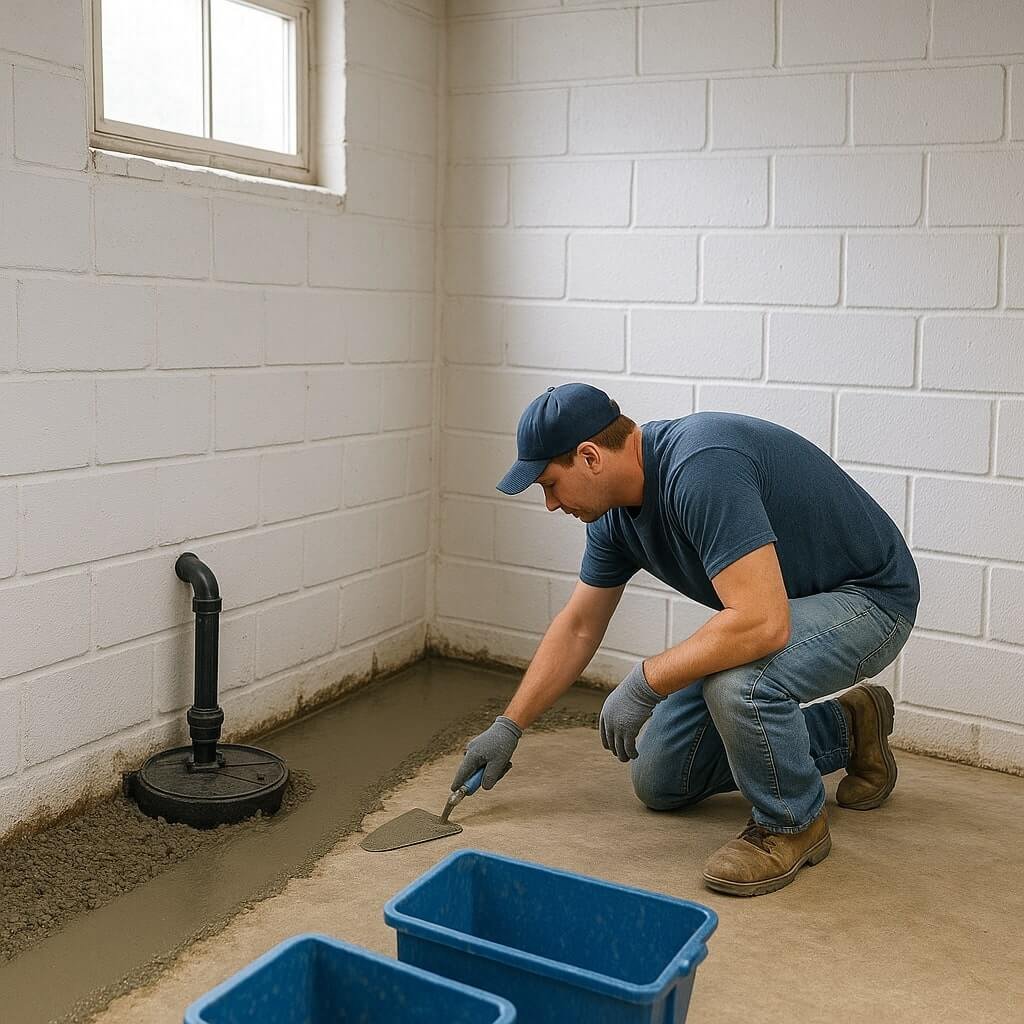
To seal cracks and gaps effectively, you first need to identify the problem areas in your fieldstone walls.
Once you’ve pinpointed these vulnerabilities, selecting the right sealant is essential for ensuring a watertight barrier.
This targeted approach not only protects your basement from moisture but also prolongs the integrity of your foundation.
Identify Problem Areas
Identifying problem areas in your basement is crucial for effective waterproofing, as even the smallest cracks and gaps can lead to significant water intrusion.
Start with thorough leak detection and moisture mapping to pinpoint vulnerabilities.
Follow these steps:
- Inspect walls and floors for visible cracks.
- Check around windows and doors for gaps.
- Examine plumbing and electrical penetrations.
- Monitor areas with persistent dampness or mold.
Choose Appropriate Sealant
After pinpointing the vulnerable areas in your basement, the next step involves selecting the right sealant to effectively address the identified cracks and gaps.
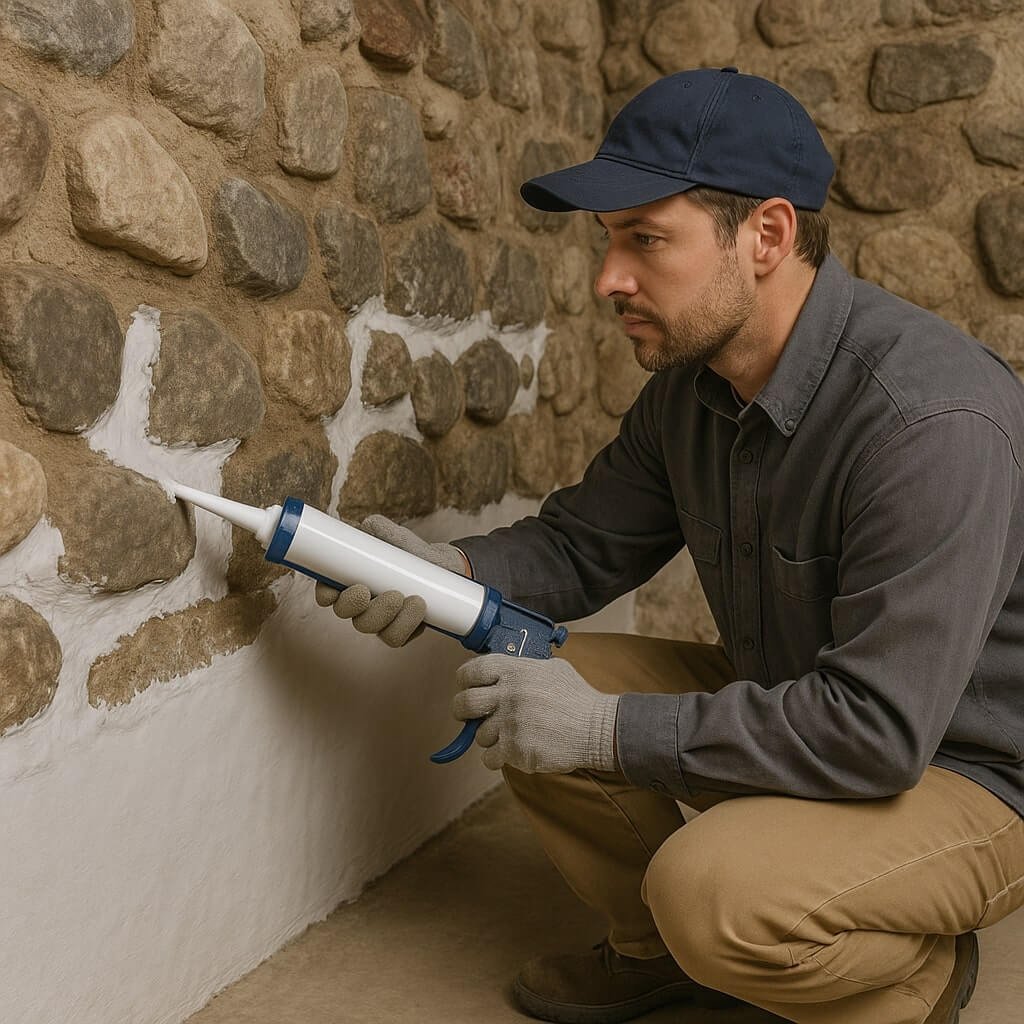
You’ll encounter various sealant types, including elastomeric, polyurethane, and epoxy. Each has unique properties suited for different conditions.
For best results, consider application techniques like caulking for narrow gaps or injecting sealant into wider cracks. Verify the surfaces are clean and dry before applying the sealant to maximize adhesion.
Following the manufacturer’s instructions will also enhance durability and performance.
Enhancing Drainage Systems Around Your Home
While you may not realize it, the effectiveness of your home’s drainage system plays an essential role in preventing water intrusion in your basement.
To enhance your drainage solutions, consider these key steps:
- Install Gutters: Guarantee they’re clean and directed away from your foundation.
- Extend Downspouts: Use extensions to divert water further from your home.
- Landscape Grading: Adjust the slope around your foundation to direct water away.
- French Drains: Install them to collect and redirect groundwater efficiently.
Applying Waterproof Coatings and Sealants
Even with a well-designed drainage system, water can still find its way into your basement. To combat this, applying waterproof coatings and sealants is crucial.
Start by selecting high-quality waterproof materials specifically designed for fieldstone surfaces. Prepare the surface by cleaning it thoroughly; this guarantees better adhesion.
Use application techniques like brush or roller methods for even coverage, focusing on cracks and joints. Allow the first coat to dry before applying a second layer for maximum protection.
Always follow manufacturer instructions for curing times and conditions, as proper application is key to creating an effective barrier against moisture intrusion.
Maintaining Proper Ventilation in the Basement
Proper ventilation in your basement is essential for maintaining airflow and preventing moisture buildup.
By implementing effective humidity control techniques, you can greatly reduce the risk of mold and structural damage.
Exploring various ventilation system options will help you create a healthier environment for your home.
Importance of Airflow
Ensuring adequate airflow in your basement is essential for preventing moisture buildup and mold growth, which can lead to significant structural damage and health issues.
Implementing effective airflow strategies provides numerous ventilation benefits:
- Reduces Humidity: Circulating air helps lower moisture levels.
- Prevents Mold: Consistent airflow discourages mold spores from settling.
- Enhances Comfort: Proper ventilation creates a more pleasant environment.
- Improves Air Quality: Fresh air circulation minimizes allergens and pollutants.
Humidity Control Techniques
How can you effectively manage humidity levels in your basement to guarantee a dry and healthy environment?
Start with proper dehumidifier installation; a unit sized for your space will reduce moisture effectively.
Monitor humidity levels using a hygrometer to maintain them between 30-50%.
Additionally, consider applying moisture barriers on walls and floors to prevent external moisture from seeping in.
Verify any cracks or gaps are sealed to further enhance your control measures.
Regularly check for standing water and promptly address any leaks.
With these techniques, you’ll greatly reduce humidity and create a more comfortable basement space.
Ventilation System Options
While many homeowners focus on humidity control, maintaining proper ventilation in your basement is equally essential for a dry environment.
Effective air circulation reduces moisture buildup and improves air quality.
Consider these ventilation types:
- Passive Ventilation: Utilizing vents and openings for natural airflow.
- Mechanical Ventilation: Installing exhaust fans or air exchangers to enhance air circulation.
- Dehumidifiers: Using portable units to control humidity while promoting airflow.
- Cross-Ventilation: Creating airflow pathways by positioning vents across from each other.
Implementing these strategies guarantees a well-ventilated basement, minimizing water damage and mold growth effectively.
Regular Inspections and Maintenance Tips
To maintain a dry and secure fieldstone basement, you need to conduct regular inspections and implement proactive maintenance strategies.
Regular inspections and proactive maintenance are essential for keeping your fieldstone basement dry and secure.
Establish inspection schedules every six months to check for cracks, moisture, or mold. During these inspections, pay close attention to drainage systems and gutters, ensuring they’re free of debris and directing water away from your foundation.
Create maintenance routines that include sealing any identified cracks with appropriate materials and applying waterproofing agents as needed.
Additionally, monitor humidity levels and consider dehumidifiers if necessary. Staying vigilant with these practices will greatly enhance your basement’s waterproofing effectiveness.
Conclusion
To summarize, effectively waterproofing your fieldstone basement requires a proactive approach that combines sealing, drainage improvements, and regular maintenance. By addressing cracks and enhancing drainage systems, you’re taking significant steps to prevent moisture issues. Don’t forget to apply waterproof coatings and guarantee proper ventilation to further protect your space. Regular inspections will help you catch potential problems early, making sure your basement remains dry and secure for the long term. Stay vigilant, and your efforts will pay off.