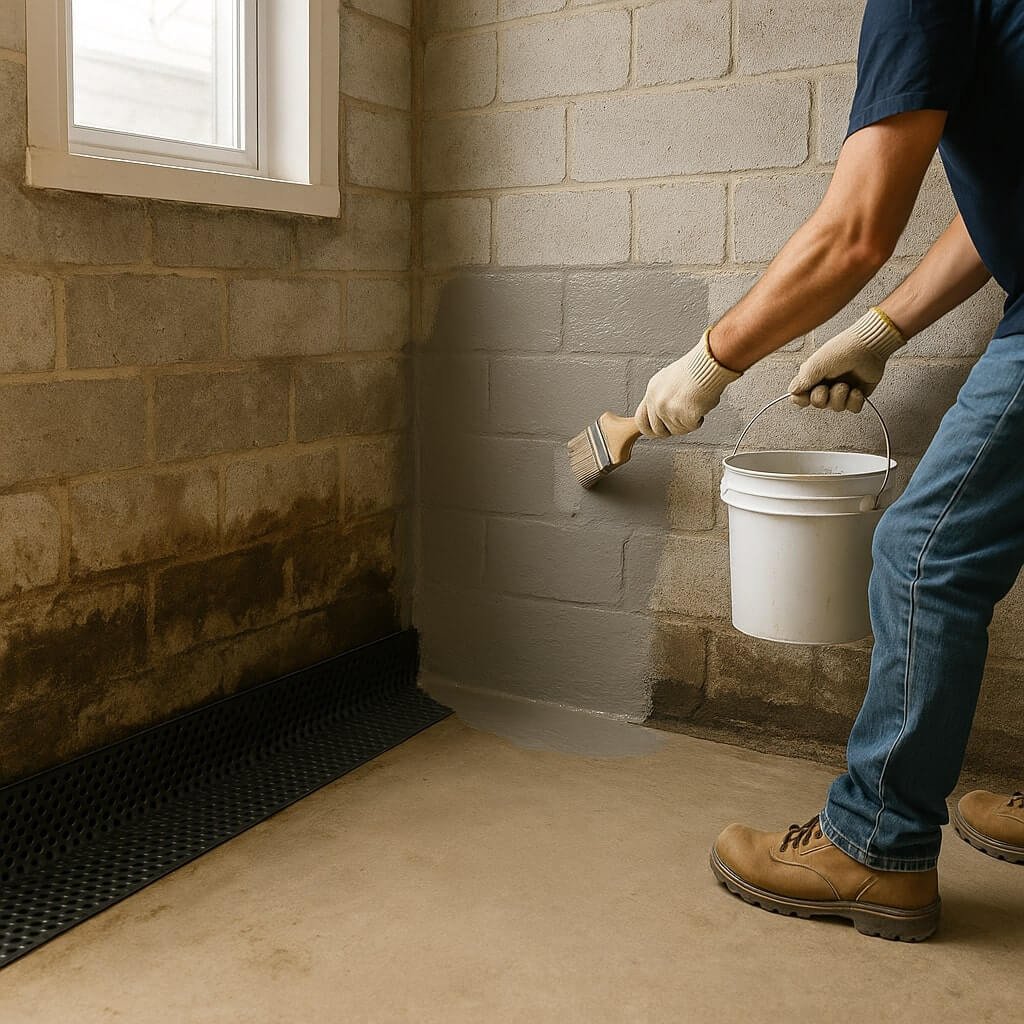

When considering basement waterproofing in Toronto, you need to evaluate three critical factors that directly impact your costs. The extent of water damage plays a pivotal role in determining repair techniques and expenses. Accessibility issues can further complicate the process, increasing labor costs. Finally, soil composition affects the methods and materials required for effective waterproofing. Understanding these elements can help you make informed decisions about your project and budget. What’s the best approach for your situation?
Key Takeaways
- Extent of Water Damage: The severity of water damage influences repair methods and overall costs for effective waterproofing solutions.
- Accessibility of Basement: Difficult-to-reach areas may increase labor and material costs during the waterproofing process.
- Location of Basement: The basement’s depth and surrounding landscape impact the complexity and effectiveness of waterproofing systems.
- Soil Composition: Different soil types affect excavation procedures and material requirements, influencing the overall waterproofing costs.
- Budget Considerations: Accurate budgeting hinges on understanding damage extent and potential unexpected expenses related to accessibility and soil conditions.
The Extent of Water Damage
Water damage can manifest in various forms, affecting not just the structural integrity of your home but also your health.
A thorough water damage assessment is vital to identify the extent of the damage, which could involve mold growth, wood rot, or compromised foundations.
Once you understand the severity, you can choose appropriate repair techniques. These may include drying out affected areas, replacing damaged materials, or applying waterproof coatings.
Ignoring the signs can lead to escalating problems, so addressing any issues promptly is essential for safeguarding your home and ensuring a healthy living environment.
Don’t underestimate the importance of timely assessment and repair.
Type of Waterproofing Method
Choosing the right waterproofing method is essential for protecting your basement from moisture intrusion.
Interior waterproofing involves applying sealants or membranes to walls and floors, effectively preventing water from seeping in. This method is often quicker and less disruptive but may not address exterior water sources.
Interior waterproofing applies sealants or membranes to prevent moisture intrusion, offering a quick and less disruptive solution.
On the other hand, exterior waterproofing involves excavating around your foundation to install membranes and drainage systems. It targets the root cause of water issues, providing a more long-term solution.
Assess your specific situation to determine which method, or combination of both, will best suit your basement’s needs and budget.
Accessibility and Location of Your Basement
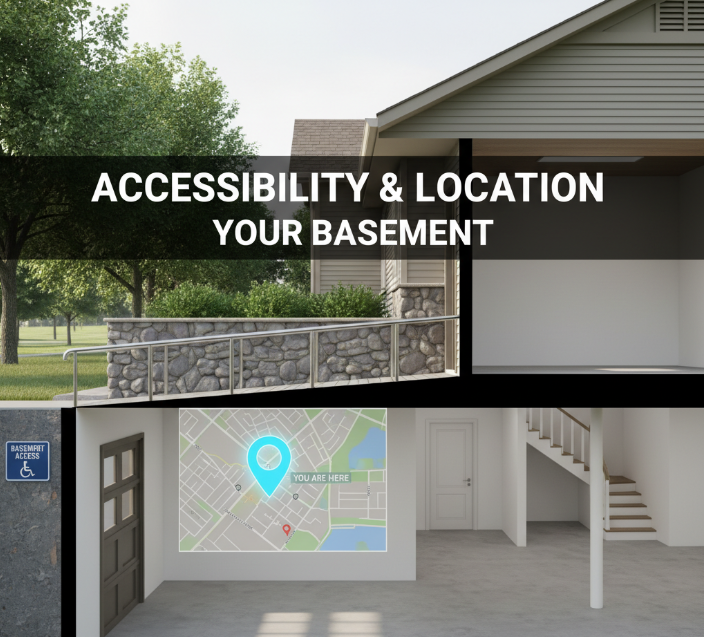
Accessibility and location play an essential role in basement waterproofing costs and methods. If your basement entrance is difficult to reach or requires extensive excavation, you’ll likely face higher expenses.
Consider these key factors:
- Proximity to Utilities: If your basement is near water or gas lines, special precautions may be necessary, increasing costs.
- Soil Composition: Different soil types can affect excavation procedures and construction materials needed for waterproofing.
- Elevation: Basements below ground level may require more complex waterproofing systems to manage water pressure effectively.
Understanding these elements can help you budget accurately for your waterproofing project.
Conclusion
In conclusion, understanding the key factors influencing basement waterproofing costs in Toronto can help you make informed decisions. The extent of water damage dictates the methods needed, while accessibility can drive up labor expenses. Additionally, soil composition plays an essential role in determining excavation techniques and materials. By considering these elements, you can effectively estimate your budget and choose the right waterproofing solutions to protect your home from water damage.